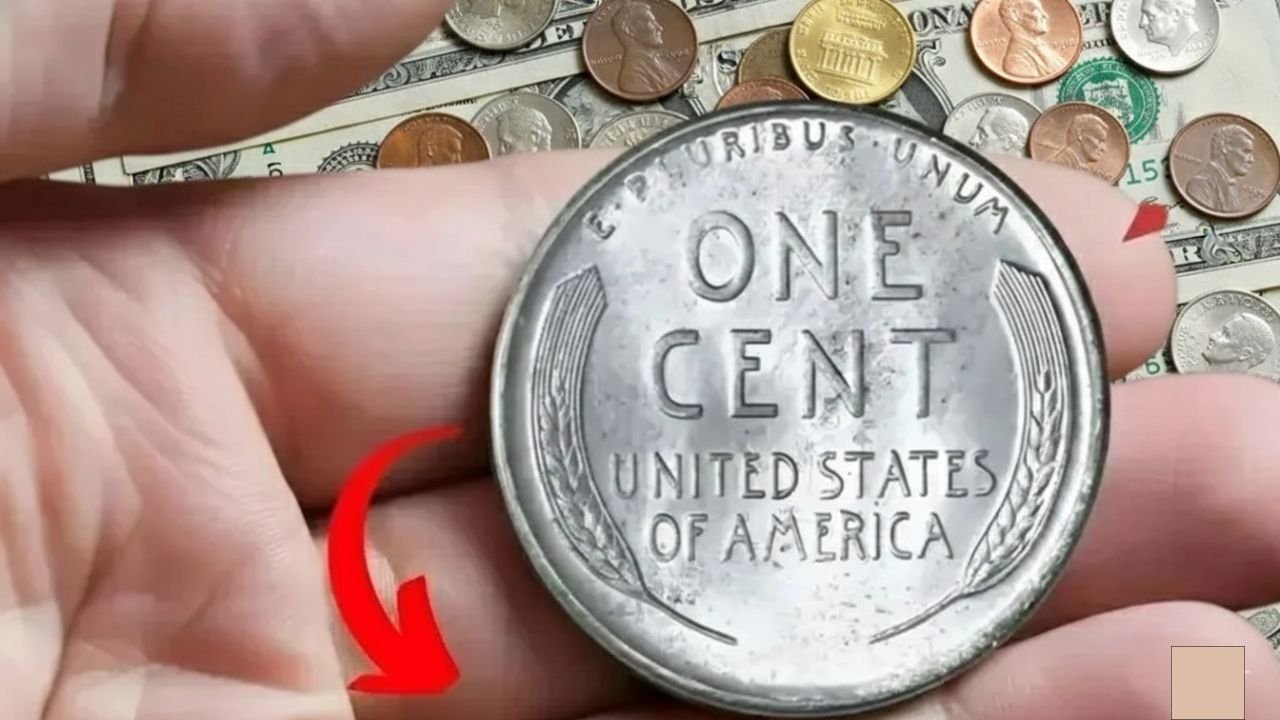
Wheat Penny Values Through the Years : Few coins hold a place in the American heart quite like the Lincoln Wheat Cent. For nearly fifty years, from 1909 to 1958, this humble penny passed through the hands of millions, witnessing eras of roaring prosperity, profound hardship, and monumental change. More than mere currency, these coins are tangible fragments of history, often discovered in attics, old jars, or inherited collections, waiting to share their silent story. Their value is a rich tapestry woven from metal, artistry, scarcity, and the personal connections they forge across generations.
The Birth of a Numismatic Icon
The Lincoln Wheat Cent emerged in 1909 as part of the centennial celebration of President Abraham Lincoln’s birth. Its issuance marked a revolutionary departure in U.S. coinage, as it was the first regular-issue American coin to feature the portrait of a real person. The design was entrusted to Victor David Brenner, whose dignified profile of Lincoln on the obverse (heads side) was paired with a reverse (tails side) depicting two sturdy wheat stalks encircling the denominations. This “wheat ear” design symbolized the nation’s agricultural strength and optimism. Struck in the billions across three mints—Philadelphia (no mint mark), Denver (D), and San Francisco (S)—these cents became a ubiquitous yet deeply meaningful part of everyday life.
Lincoln Wheat Cent Reference Table
| Year & Mint Mark | Mintage | Key Characteristics | Estimated Value (Circulated) | Estimated Value (Mint State) |
|---|---|---|---|---|
| 1909-S VDB | 484,000 | Low mintage; features designer’s “VDB” initials. | $600 – $1,200 | $2,500 – $75,000+ |
| 1914-D | 1,193,000 | Lowest D mint mark mintage of the series. | $175 – $300 | $5,000 – $25,000+ |
| 1922 Plain | N/A | Major error: Denver issue lacking the “D” mint mark. | $500 – $1,500 | $10,000 – $50,000+ |
| 1931-S | 866,000 | Very low mintage from the depths of the Depression. | $70 – $100 | $900 – $4,000 |
| 1943 Bronze | 10-20 known | Famous error: Struck in bronze instead of steel. | $150,000+ | $300,000+ |
| 1944 Steel | Approx. 30 known | Rare error: Struck in steel instead of bronze. | $75,000+ | $150,000+ |
| 1955 Doubled Die | Approx. 24,000 | Dramatic doubling visible on date and lettering. | $1,500 – $3,000 | $5,000 – $15,000 |
Composition and Design Reflections of History
The very metal of the Wheat Cent tells the story of its time. From 1909 to 1942, the coins were minted in a composition of 95% copper and 5% tin and zinc. However, World War II necessitated a dramatic change; copper became critical for the war effort. In 1943, the Mint switched to zinc-coated steel, producing pennies with a distinctive silver-like appearance. This period also created one of numismatics’ most famous errors: a handful of 1943 cents were accidentally struck on leftover bronze planchets, making them exceptionally rare treasures. After the war, in 1944, the coin returned to a copper alloy, utilizing metal salvaged from spent shell casings.
Understanding Value More Than Just a Date
A Wheat Cent’s worth is determined by a confluence of factors, with condition being paramount. A coin’s state of preservation is graded on a scale from “Poor” to “Mint State,” with sharp details and original surfaces commanding significant premiums. Color is also crucial for copper coins; a bright, red “RD” luster is most desirable, followed by red-brown “RB,” and fully brown “BN.” Ultimately, rarity—driven by low mintage figures, survival rates, and unique errors—combines with condition to define market value.
Key Dates and Varieties Highlights for Collectors
While most Wheat Cents, particularly from the 1940s and 1950s, are common and affordable, certain issues are legendary for their scarcity and value.
Preserving Your Pieces of History
Proper care is essential to maintaining a coin’s value and integrity. Always handle Wheat Cents by the edges to protect the surfaces from oils and abrasions. Never clean a coin; chemical or abrasive cleaning permanently damages the delicate surface and drastically reduces its collectible worth. For storage, use inert materials like acid-free paper envelopes or non-PVC plastic flips, and consider a climate-controlled environment for long-term preservation. For any coin suspected of being a key date or error, seeking professional grading from a service like PCGS or NGC provides authentication, protection, and market credibility.
Beginning Your Collecting Journey
Collecting Lincoln Wheat Cents is a rewarding and accessible hobby. Many enthusiasts start with the goal of assembling a “date and mint mark” set, seeking one example from each year and production facility. Others may focus on building a type set of the different compositions (e.g., bronze, steel) or hunting for well-struck, visually appealing examples. Resources are plentiful: utilize reputable guidebooks, connect with local coin clubs, and engage with established dealers. Patience and continuous learning are your most valuable tools.
Frequently Asked Questions (FAQ)
Q1: Can I still find a Wheat Penny in my pocket change?
While it is exceedingly rare due to their age and widespread hoarding by collectors, it is not impossible. Most are discovered in older circulated coin rolls or inherited collections.
Q2: What is the single most valuable Wheat Cent?
The 1943 bronze cent is considered the “king” of the series due to its extreme rarity and fascinating wartime error, with specimens selling for well over $100,000.

Q3: How should I clean my dirty Wheat Pennies?
You shouldn’t. Any attempt at cleaning, no matter how gentle, will cause micro-scratches or chemical toning that collectors can detect. This “cleaning” significantly diminishes both the eye appeal and the monetary value. The safest way to handle dirt is to leave it alone.
Q4: I found a 1943 penny that sticks to a magnet. Is it valuable?
This is expected! The standard 1943 cent is steel and magnetic. It is a common coin but a wonderful piece of history. Value is typically low unless it is in pristine, uncirculated condition. The extremely valuable 1943 error coins are bronze and will not stick to a magnet.
Q5: Are common Wheat Cents from the 1950s worth saving?
Absolutely. While their monetary value may be modest, they are irreplaceable historical artifacts. Saving them is a way to preserve history, and they are perfect for introducing new collectors, especially young numismatists, to the hobby.
A Lasting Connection
The Lincoln Wheat Cent endures because it is a democratized piece of heritage. It invites everyone to hold a piece of the early and mid-20th century in their hand. Whether pursuing a rare 1909-S VDB or simply appreciating the worn surface of a 1945 cent that served its nation, collecting these coins is a pursuit of history, art, and personal curiosity. In their quiet, copper way, Wheat Cents remind us that profound stories are often found in the smallest and most common of places.
