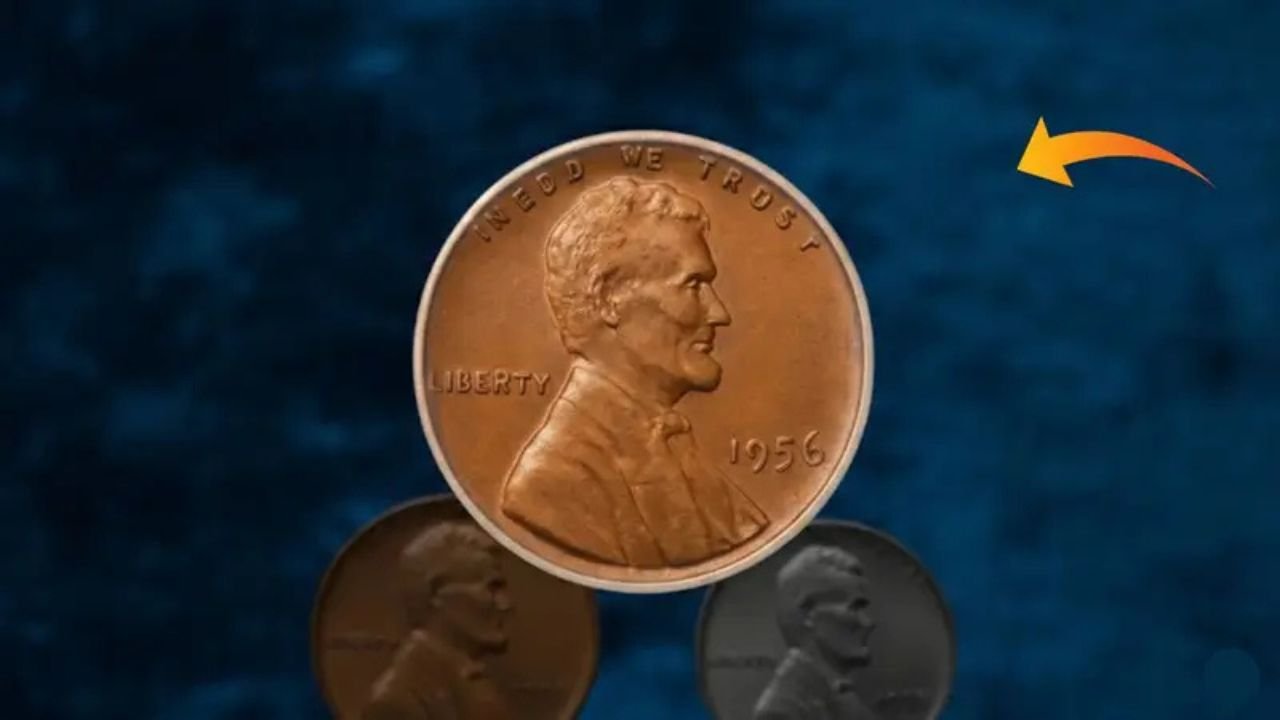
Value of Wheat Pennies : For countless individuals, the discovery of a Wheat Penny is more than finding an old coin; it’s an encounter with a piece of living history. Over the past decade, from 2015 to 2025, these enduring coins have undergone a fascinating transformation in the public eye. What was once considered simple pocket change is now recognized as a gateway to history, art, and thoughtful collection. This exploration looks at the journey of the Lincoln Wheat Cent, not just as a financial asset, but as a cultural touchstone that has found new resonance with each passing year.
A Renaissance of Interest The Last Ten Years
The period from 2015 to 2025 witnessed a significant revitalization in coin collecting, with the Lincoln Wheat Cent at its heart. This resurgence was fueled by several interconnected factors. The rise of accessible online marketplaces and educational social media channels democratized knowledge, allowing new collectors to learn and participate from anywhere. This increased visibility, combined with a growing appreciation for tangible history in a digital age, brought a fresh generation into the hobby. While the value of common, well-circulated coins saw modest, steady gains, the most profound appreciation was observed in coins that told a clearer story—those with exceptional preservation, acknowledged rarity, or dramatic minting errors. This decade underscored that value is not merely monetary; it is also measured in historical connection and the satisfaction of the hunt.
The Pillars of a Penny’s Worth
Understanding what gives a Wheat Penny its desirability requires looking at a few core principles that have remained constant, even as the market has grown.
- The Primacy of Condition: A coin’s state of preservation is its most critical attribute. The Sheldon scale, ranging from 1 to 70, helps quantify this. A Wheat Penny that has retained its original copper color and mint-fresh surfaces (graded as “Red” or “Red-Brown”) speaks to a life of careful handling and can be orders of magnitude more valuable than a heavily worn, dark brown counterpart of the identical date and mint.
- The Narrative of Rarity: Scarcity, whether from low original mintage or survival rates, creates demand. Coins from the San Francisco (“S”) mint are often key dates due to lower production numbers. Furthermore, coins with a story—like the 1943 bronze cents mistakenly struck on the wrong metal planchet during wartime, or the visibly doubled “1955 Doubled Die”—carry a numismatic legend that fuels collector passion and market value.
- A Transparent Modern Market: The decade was defined by increased market transparency. Population reports from grading services show how many of a particular coin exist at each grade level, providing clear data on scarcity. Online auction archives offer real-world price histories. This environment empowers collectors to make informed decisions, building confidence and stability in the market.
A Decadal Snapshot: Observing Value Trends
The following table provides a comparative look at how different categories of Lincoln Wheat Cents have been valued by the collector market over the past ten years. These figures are illustrative averages for specific conditions and highlight broader trends.
| Coin Type & Description | Approx. Value Circa 2015 (Circulated / Mint State 65 Red) | Approx. Value Circa 2025 (Circulated / Mint State 65 Red) | Primary Catalyst for Change |
|---|---|---|---|
| Common Date (e.g., 1945, Philadelphia) | $0.05 / $4 | $0.15 / $12 | Increased base demand; the establishment of a stable “collector floor” above face value. |
| Conditionally Scarce Date (e.g., 1934, well-struck) | $0.25 / $25 | $0.75 / $60 | Growing appreciation for aesthetic quality in otherwise available dates. |
| Key Date (e.g., 1931-S) | $35 / $750 | $60 / $2,200 | Reinforced recognition of low-mintage issues; intense competition for premium examples. |
| Legendary Rarity (e.g., 1909-S VDB) | $450 / $35,000 | $650 / $90,000+ | Iconic status; finite supply meeting expanded, global collector base. |
| Major Error Coin (e.g., 1955 Doubled Die Obverse) | $900 / $12,000 | $1,200 / $100,000+ | High visibility and textbook status; extreme rarity in top grades. |
Starting Your Personal Journey
Embarking on the collection of Wheat Pennies is a pursuit of both knowledge and patience. A great starting point is to sort coins by date and mint mark, using a simple magnifying glass to observe details. It is essential to remember that cleaning a coin is one of the most detrimental actions a collector can take, as it strips away the original surface and dramatically reduces both historical integrity and monetary value. For coins that appear special, consulting reference books, online archives, or a reputable local coin dealer can provide guidance. For potentially valuable finds, professional grading encapsulates the coin in a secure holder with a verified grade, offering peace of mind and marketability.
The Enduring Reward
Collecting Lincoln Wheat Cents in the modern era offers rewards that extend beyond a price guide. It is a tactile link to a century of American life, from the optimism of the early 1900s to the austerity of the Great Depression and the ingenuity of the World War II home front. Building a collection fosters research, organizational skills, and a community of shared interest. The market trends of the past decade reveal a resilient and maturing field, where coins are valued as historical artifacts. In a rapidly changing world, the steady, silent witness of these copper coins continues to hold a powerful and enduring appeal.
Frequently Asked Questions (FAQ)
Q: I just inherited a jar of old pennies. Where should I start?
A: Begin by sorting them calmly. Look for the Wheat Penny design (1909-1958) and separate them from newer coins. Within the Wheat Pennies, group them by date and look for mint marks below the date on the obverse (heads) side. This initial organization will help you identify potential key dates.
Q: Is a worn, dark brown Wheat Penny worth anything?
A: Yes, but typically only a small premium over face value, often between 5 and 50 cents for common dates. Its primary value is historical. However, even in worn condition, a genuine key date like a 1914-D or 1922 Plain will still hold significant value.
Q: What does “Red,” “Red-Brown,” and “Brown” mean?
A: These terms describe the color of a copper coin’s surface, which indicates its level of preservation. “Red” (RD) means it retains most of its original copper color, “Brown” (BN) means it has fully toned, and “Red-Brown” (RB) is in between. For a given coin, a Red specimen is the most desirable and valuable.

Q: How can I sell a Wheat Penny I believe is valuable?
A: First, educate yourself on its potential value using reputable price guides. For a potentially high-value coin, consider getting it professionally graded. You can then sell through a trusted coin dealer, a reputable online numismatic marketplace, or at a coin show. For an exceptional rarity, a major auction house may be the best venue.
Q: Why is collecting Wheat Pennies so popular?
A: Their popularity stems from accessibility, historical significance, and the satisfying challenge of completing a set. They are relatively affordable to start with, rich in American history, and offer clear goals, like collecting one from every year and mint.
