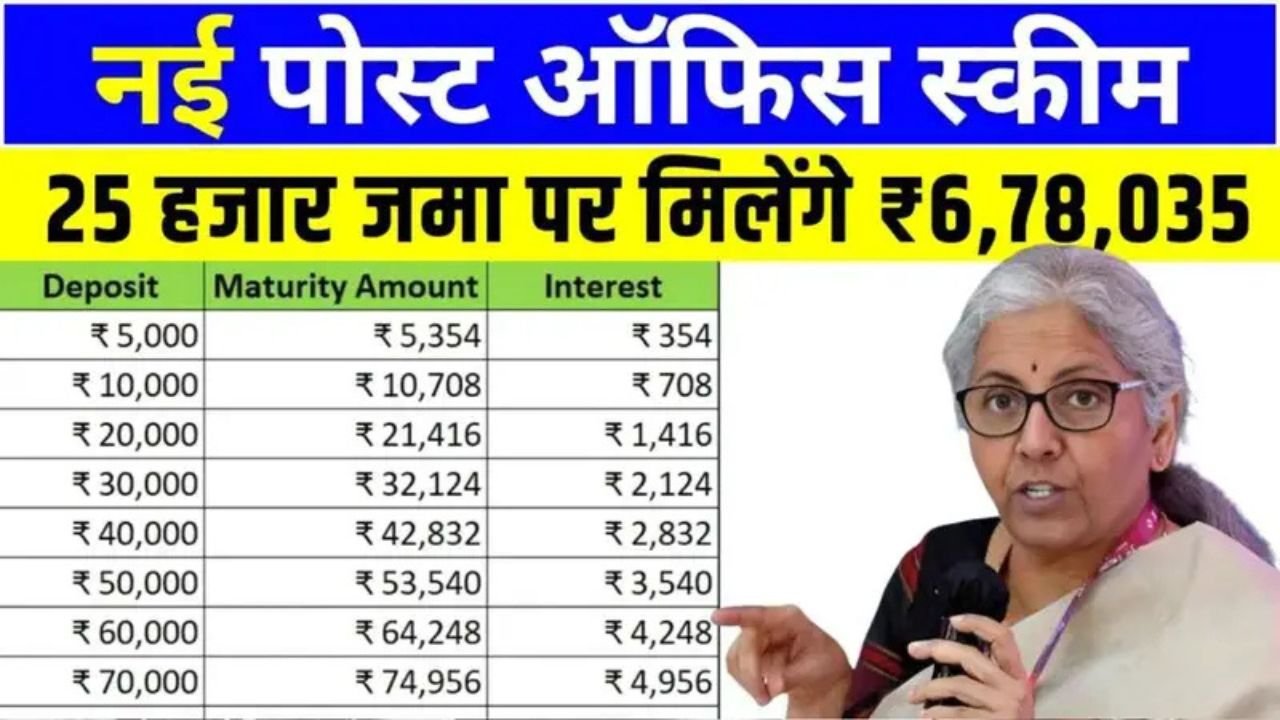
Post Office PPF Scheme : Every parent dreams of providing their child with a foundation of opportunity and security. In a world of rising costs, particularly for education and skill development, starting early with a disciplined savings plan is one of the most impactful gifts you can give. The Post Office Public Provident Fund (PPF) Scheme stands out as a time-tested, government-backed avenue to turn these aspirations into reality, combining safety, growth, and fiscal prudence.
The Power of Consistent, Long-Term Saving
The cornerstone of any successful financial plan is not a large lump sum, but consistent action over time. A commitment to setting aside a manageable amount annually can, through the remarkable effect of compound interest, blossom into a substantial corpus. This approach minimizes financial strain in the present while systematically building a reserve for the future. By prioritizing long-term growth over short-term gains, you create a reliable resource that can help fund pivotal moments in your child’s life journey.
Post Office PPF Scheme At a Glance
| Feature | Detail |
|---|---|
| Scheme Name | Public Provident Fund (PPF) |
| Where to Open | India Post Offices, Authorized Banks |
| Tenure | 15 years (extendable in blocks of 5 years) |
| Minimum Deposit | ₹500 per year |
| Maximum Deposit | ₹1.5 lakh per year (across all accounts) |
| Interest Rate | Set quarterly by the Government; historically competitive and stable. |
| Interest Computation | Calculated monthly on the lowest balance between 5th and last day of month; credited annually. |
| Tax Benefits | EEE (Exempt-Exempt-Exempt) Status: Investments, Interest, and Maturity are all tax-free. |
| Lock-in Period | 15 years. Partial withdrawals permitted from the 7th financial year. |
| Loan Facility | Available between the 3rd and 6th financial year. |
| Nomination | Available. |
| Risk Profile | Virtually risk-free, sovereign guaranteed. |
Cultivating Financial Discipline for Tomorrow’s Goals
Opening a PPF account in your child’s name is an act of foresight that instills a sense of financial planning from an early stage. The 15-year lock-in period, while seemingly lengthy, serves a crucial purpose: it ensures the savings remain dedicated to their intended long-term objective, free from the temptation of impulsive withdrawals. This disciplined framework guarantees that the accumulated funds will be available when they are needed most, whether for university tuition, vocational training, or starting a new chapter.

A Sanctuary of Stability in Uncertain Markets
Unlike market-linked investments that fluctuate with economic tides, the PPF offers a harbor of stability. Its returns are determined by the government and are not subject to stock market volatility. For parents who seek peace of mind, knowing their child’s future savings are protected from market downturns is invaluable. This risk-averse characteristic makes PPF a foundational pillar in a balanced financial portfolio, providing guaranteed growth in a protected environment.
Tax-Efficient Growth That Maximizes Your Savings
A significant advantage of the PPF scheme is its favorable treatment under tax laws. Contributions are eligible for deduction, the interest earned accrues completely tax-free, and the final maturity amount is also exempt from income tax. This triple-tax benefit ensures that the full power of compound interest works for you, with no erosion of returns due to taxes. Essentially, every rupee saved and earned is directed entirely toward your child’s future.

An Accessible Plan for Every Family
The PPF is designed with inclusivity in mind. You can begin with amounts that align with your current financial situation—there is no need for a large initial investment. The scheme’s flexibility allows you to increase contributions as your capacity grows. This accessibility ensures that families from diverse economic backgrounds can participate in secure, long-term financial planning for their children’s benefit.
Frequently Asked Questions (FAQs)
Q1: Can I open a PPF account specifically in my child’s name?
Yes. A PPF account can be opened for a minor by a parent or legal guardian. The guardian will operate the account on the child’s behalf until they reach the age of majority (18 years).

Q2: What happens to the PPF account after the 15-year maturity period?
Upon maturity, you have three options: 1) Withdraw the full amount, 2) Extend the account indefinitely with continued contribution (withdrawal flexibility), or 3) Extend the account without making further contributions.
Q3: Are there any penalties for not depositing the minimum amount annually?
Yes. If the minimum annual deposit of ₹500 is not met, the account will become inactive. To reactivate it, a penalty of ₹50 per year of default, along with arrears of ₹500 for each inactive year, must be paid.

Q4: How is the interest rate on PPF determined?
The Government of India reviews and announces the PPF interest rate every quarter. It is generally linked to prevailing debt market yields and is designed to offer a stable, attractive return above inflation.
Q5: Can a Non-Resident Indian (NRI) open or hold a PPF account?
NRIs cannot open a new PPF account. However, if you opened an account while you were a resident, you can continue to hold it until maturity, but you cannot extend it beyond the 15-year term.
Q6: How many PPF accounts can an individual hold?
The rule is one account per individual. A parent can hold their own account and also be the guardian for a minor child’s account.
Final Reflection
Choosing the Post Office PPF Scheme is more than a financial decision; it is a commitment to a child’s future stability. It represents a disciplined, safe, and thoughtful path to nurturing their potential. By starting this journey today, you are not just saving money—you are investing in dreams and building a legacy of security and opportunity for the next generation.
