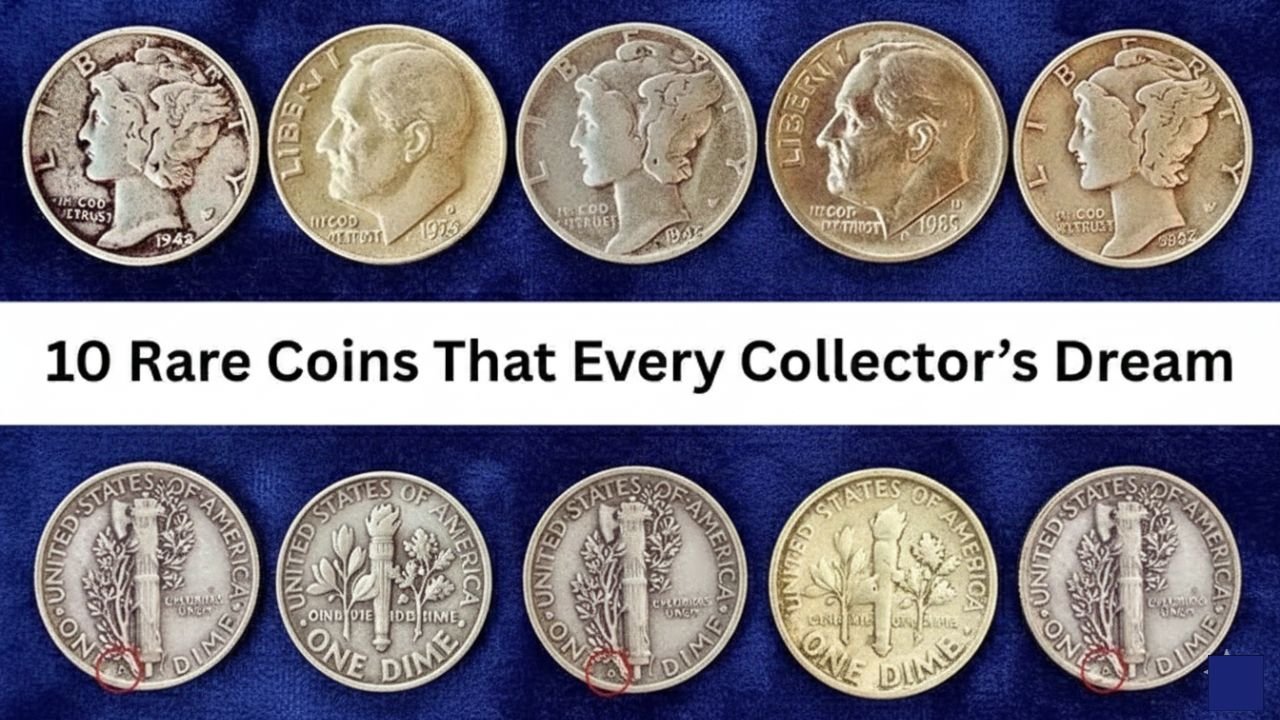
10 rare coins : For centuries, rare coins have captivated the human imagination, serving as tangible fragments of history, art, and economics. The pursuit of these numismatic treasures is more than a hobby; it’s a journey through time, driven by the thrill of discovery and the deep appreciation for stories minted in metal. This passion unites collectors in a shared quest to preserve, understand, and connect with the past in a uniquely personal way.
The Heart of the Hunt Why We Collect
The true appeal of rare coin collecting lies in a powerful blend of intellectual curiosity and emotional resonance. Each coin is a puzzle, inviting collectors to research its origins, context, and journey through the decades or even millennia. This process transforms a simple piece of metal into a narrative object, carrying the echoes of the hands it has passed through and the eras it has witnessed. The excitement is not solely in ownership, but in the pursuit—the careful study, the networking with fellow enthusiasts, and the patient wait for the right piece to surface. This ongoing engagement fosters a profound sense of connection to history and craftsmanship, making every find personally significant.
Informative Table Factors That Create a Rare Coin
| Factor | Description | Example of Impact |
|---|---|---|
| Low Mintage | The original number of coins struck was very small. | The 1894-S Barber Dime had a mintage of only 24, making it extremely rare. |
| High Survival Rate | The percentage of the original mintage that still exists in any condition. | Many ancient coins had high mintages, but very few survived centuries of melting and wear. |
| Condition (Grade) | The state of preservation. A high-grade coin from a common issue can be “rare” in that condition. | An MS-65 Red Lincoln Cent from the 1920s is far rarer and more valuable than a heavily circulated one. |
| Error/Variety | Mistakes in the minting process, such as off-center strikes or doubled designs. | The 1955 “Doubled Die” Lincoln Cent is a famous error coveted by collectors. |
| Historical Significance | A coin tied to a major historical event or period of transition. | The 1804 Silver Dollar, actually struck decades later for diplomatic sets, is a legendary “King of American Coins.” |
| Public Demand | Collector interest and competition for a specific series or design. | Key-date coins in popular series (like the 1909-S VDB Lincoln Cent) are highly sought-after, amplifying their rarity. |
Defining Rarity More Than Just Scarcity
A coin’s status as “rare” is determined by a confluence of factors that extend far beyond low mintage numbers. While limited production is a key component, survival rate is equally critical. Coins that were heavily circulated, melted down for their metal content, or simply lost to time become exponentially rarer. Condition, or “grade,” elevates rarity further; a well-preserved coin from a scarce issue is a pinnacle find. Additionally, historical errors—such as mis-strikes, double dies, or wrong metal compositions—create accidental rarities that are highly prized for their unique stories. These elements combine to create a numismatic landscape where true rarities are the exceptions, making their discovery a celebrated event.
Legendary Pieces Icons of Numismatic History
The numismatic world reveres certain coins that have achieved legendary status. These are pieces whose stories are woven into the fabric of collecting lore. They might represent pivotal moments, like the experimental 1933 Saint-Gaudens Double Eagle, a coin tied to the end of the gold standard. Others are celebrated for dramatic errors, such as the 1913 Liberty Head Nickel, of which only five are known. There are also coins prized for their exquisite beauty and historical importance, like the ancient Athenian Decadrachm. These icons are admired not just for their extreme scarcity, but for their ability to symbolize the very essence of the collector’s dream: holding a singular, irreplaceable piece of history.
The Personal Treasure Emotional Value in a Tangible Form
To a collector, a rare coin is a treasure because of its irreplaceability and the personal achievement it represents. Acquiring a long-sought piece can mark a milestone in a collector’s journey, often remembered with vivid detail—where it was found, the research that led to it, and the moment of realization. This creates an emotional equity that far exceeds market value. The coin becomes a testament to the collector’s knowledge, patience, and dedication. This deep, personal connection fosters a sense of stewardship, a feeling of responsibility to preserve the item for future generations who will appreciate its story.
The Never-Ending Journey A Lifelong Pursuit of Knowledge
One of the most rewarding aspects of numismatics is that the journey has no final destination. There is always another series to study, another historical period to explore, or a new variety to learn about. This endless potential for discovery keeps the hobby vibrant across a lifetime. Seasoned collectors often find as much joy in mentoring newcomers and sharing knowledge as they do in their own acquisitions. The hunt continues because it is fueled by continuous learning and the ever-present possibility that the next coin examined—even in ordinary circulation—could be an extraordinary find.
Frequently Asked Questions (FAQ)
Q: Do I need a lot of money to start collecting rare coins?
A: Not at all. While some rarities command high prices, the world of numismatics is vast. Many collectors begin with affordable series, like Lincoln cents or Roosevelt dimes, searching for better-condition or older dates. The primary investment at the start is time spent learning.
Q: How can I educate myself to avoid forgeries or misrepresentations?
A: Education is your best tool. Start with reputable books, websites from major numismatic associations (like the American Numismatic Association), and coin grading service educational resources. Consider joining a local coin club to learn from experienced collectors.
Q: Where is the best place to buy rare coins?
A: Always buy from trusted sources. These include established coin dealers with good reputations, major auction houses, and certified coins from professional grading services (like PCGS or NGC). Certification provides authentication and a professional assessment of condition.

Q: Is coin collecting a good investment?
A: While some coins appreciate in value, it’s best to approach collecting first as a passion. The market can fluctuate. Buy coins you love and are interested in for their history and beauty. Any financial gain should be considered a potential secondary benefit, not the primary goal.
Q: How do I properly store and care for my collection?
A: Proper storage is crucial. Use inert materials like acid-free holders, archival-quality albums, or capsules made for coins. Avoid touching the surfaces with bare fingers; handle coins by the edges or wear cotton gloves. Store in a cool, dry, and stable environment.
